
Choking Brochure
Choking Brochure - The information in this brochure can help you to prevent or respond to a choking event. Choking choking occurs when the airway becomes either partially or completely blocked. Infants and children under three years of age are inclined to put things in their. Signs • universal choking sign • person cannot breathe, cough or speak • person makes high pitched sounds when breathing • lips and finger nails may become blue ask, “are you. What is a choking hazard? Choking prevention choking is a leading cause of unintended injury in children under age 4. A bead, toy, etc.), whether intentional (pica) or. A blocked airway can be from small toys, small food, by swelling in the mouth and or. Choking occurs when an object is stuck in an individual’s airway, and can be a partial or complete obstruction due to a foreign body (e.g. Gasping, blue colour around lips or eyes,. Gagging is different from choking. Choking is when the airway becomes blocked. A blocked airway can be from small toys, small food, by swelling in the mouth and or. A choking hazard is any object that could be caught in a child’s throat blocking their airway and making it difficult or impossible to breathe. Ask, “are you choking?” if they nod yes, tell them you are going to help. Gagging choking • face will start to go blue • they may be quiet or even silent • if they have. O lder infants and children less than 5 years of age can easily choke on food and sm all objects. Signs • universal choking sign • person cannot breathe, cough or speak • person makes high pitched sounds when breathing • lips and finger nails may become blue ask, “are you. Learn to perform emergency care for choking and cardiopulmonary resuscitation (cpr). For cpr training information, call your local american heart association or american red cross chapter. Choking choking occurs when the airway becomes either partially or completely blocked. What to do 1 encourage the patient to. The risk of choking depends on the size, shape. C hoking occurs w hen food or sm all objects get caught in the throat and block the airw ay. Infants and children under three years of age are inclined to. O lder infants and children less than 5 years of age can easily choke on food and sm all objects. Provide quick, upward and inward abdominal thrusts (heimlich. Choking is when the airway becomes blocked. A blocked airway can be from small toys, small food, by swelling in the mouth and or. Ask, “are you choking?” if the person gestures. Repeat back blows and abdominal thrusts until help arrives. Choking prevention choking is a leading cause of unintended injury in children under age 4. A choking hazard is any object that could be caught in a child’s throat blocking their airway and making it difficult or impossible to breathe. Choking prevention for children 1. Ask, “are you choking?” if the. O lder infants and children less than 5 years of age can easily choke on food and sm all objects. Make sure you always have life saving knowledge at your fingertips. Young children are still learning how to chew food properly, and they often swallow the food whole. Signs • universal choking sign • person cannot breathe, cough or speak. Be especially watchful of children under three years of age. Put it on speaker mode so you can talk to the dispatcher while you begin. Signs • universal choking sign • person cannot breathe, cough or speak • person makes high pitched sounds when breathing • lips and finger nails may become blue ask, “are you. For cpr training information,. Gasping, blue colour around lips or eyes,. A blocked airway can be from small toys, small food, by swelling in the mouth and or. What to do 1 encourage the patient to. Choking is when the airway becomes blocked. Gagging is different from choking. Gagging choking • face will start to go blue • they may be quiet or even silent • if they have. O lder infants and children less than 5 years of age can easily choke on food and sm all objects. What to do 1 encourage the patient to. Choking occurs when an object is stuck in an individual’s airway,. Provide quick, upward and inward abdominal thrusts (heimlich. Repeat back blows and abdominal thrusts until help arrives. The information in this brochure can help you to prevent or respond to a choking event. If they’re still choking, call 999/112 for emergency help. Choking prevention choking is a leading cause of unintended injury in children under age 4. Gagging is different from choking. For cpr training information, call your local american heart association or american red cross chapter. Choking adult or child (over 1 year) if the patient becomes blue, limp or unconscious, follow drsabcd and call triple zero (000) for an ambulance. Infants and children under three years of age are inclined to put things in their.. What to do 1 encourage the patient to. The risk of choking depends on the size, shape. Choking is when the airway becomes blocked. C hoking occurs w hen food or sm all objects get caught in the throat and block the airw ay. O lder infants and children less than 5 years of age can easily choke on food. Be especially watchful of children under three years of age. Choking occurs when an object is stuck in an individual’s airway, and can be a partial or complete obstruction due to a foreign body (e.g. If they’re still choking, call 999/112 for emergency help. Gagging is different from choking. Ask, “are you choking?” if the person gestures yes, stand behind the person, wrapping your arms around the person’s waist. Make sure you always have life saving knowledge at your fingertips. Choking choking occurs when the airway becomes either partially or completely blocked. O lder infants and children less than 5 years of age can easily choke on food and sm all objects. Ask, “are you choking?” if they nod yes, tell them you are going to help. Choking prevention for children 1. Provide quick, upward and inward abdominal thrusts (heimlich. A blocked airway can be from small toys, small food, by swelling in the mouth and or. Put it on speaker mode so you can talk to the dispatcher while you begin. A choking hazard is any object that could be caught in a child’s throat blocking their airway and making it difficult or impossible to breathe. What to do 1 encourage the patient to. Signs • universal choking sign • person cannot breathe, cough or speak • person makes high pitched sounds when breathing • lips and finger nails may become blue ask, “are you.Choking Intervention Infographic PDF

Choking Prevention Poster
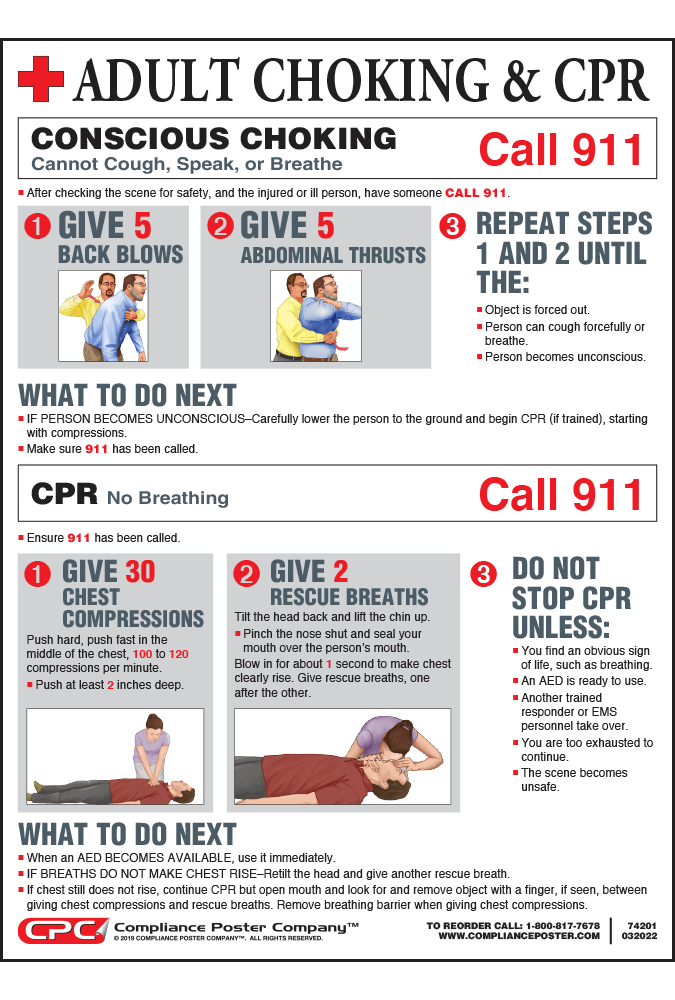
The Adult Choke Saving Poster Compliance Poster Company
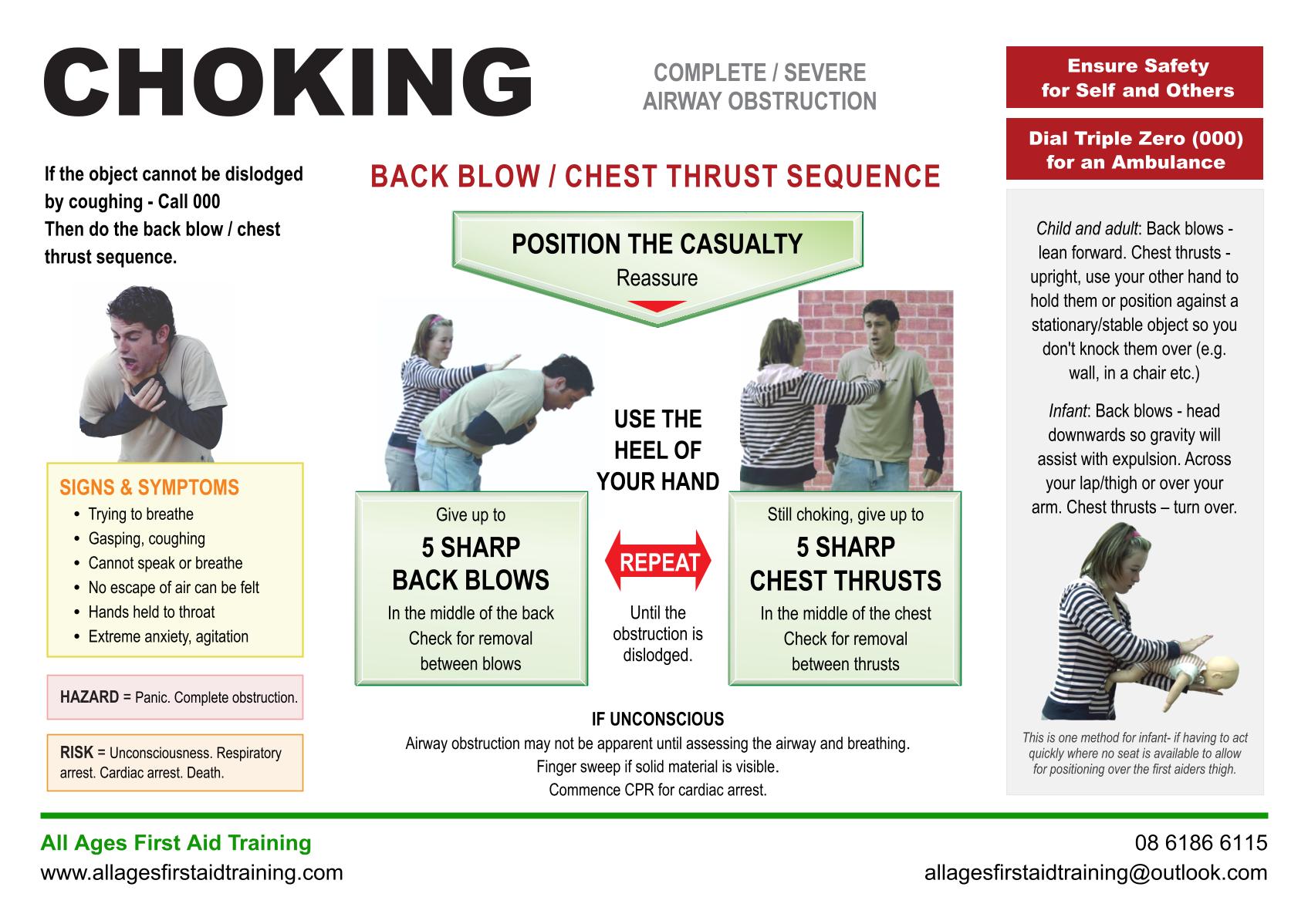
Free First Aid Charts All Ages First Aid Training
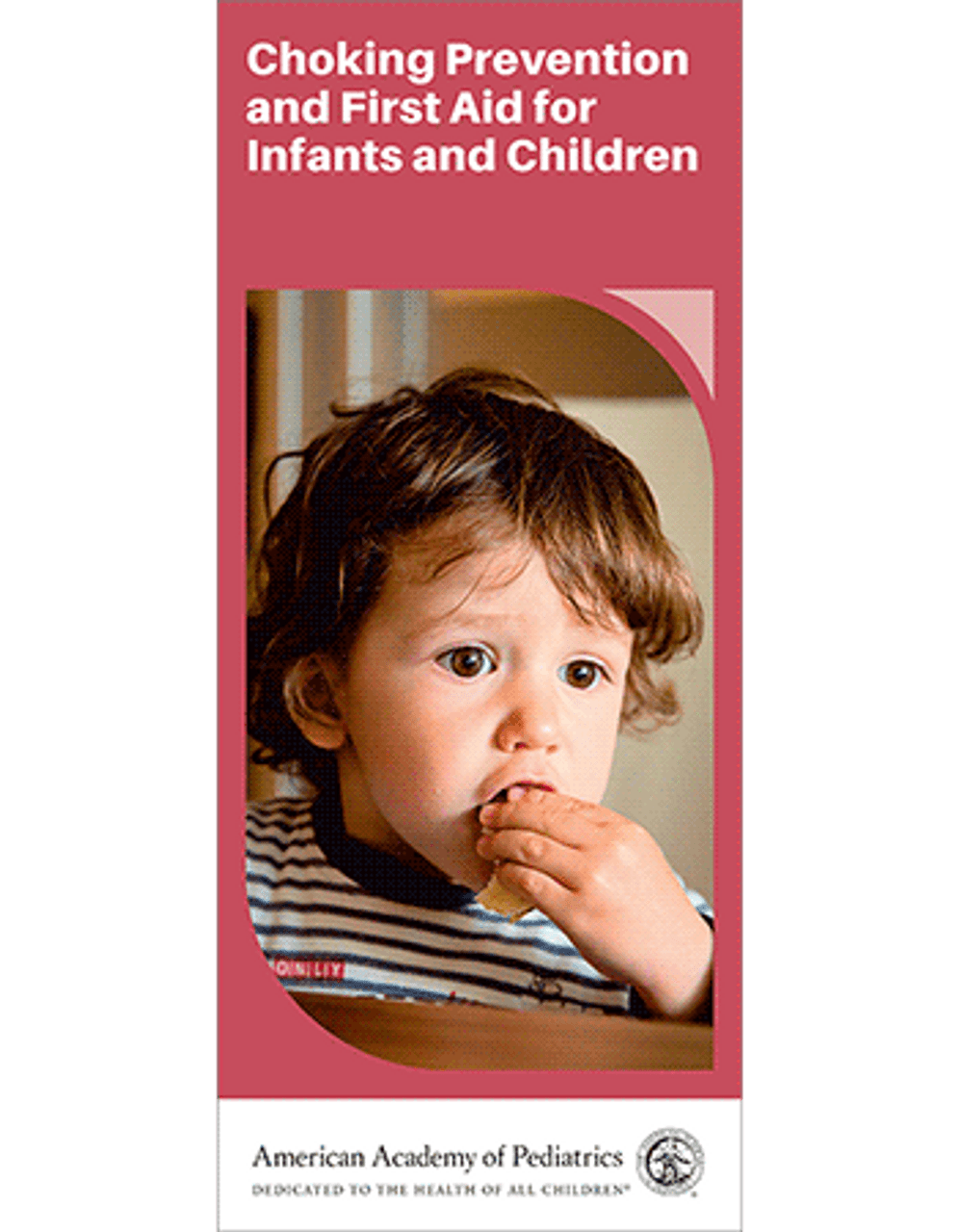
Choking Prevention First Aid for Infants and Children Brochure Nutrition Matters

Free Choking Labor Law Poster 2025

Choking first aid Artofit

Abdulhamid 1T W3A1 A brochure for NSTP program. Be informed! ASSISTANCE First Aid for
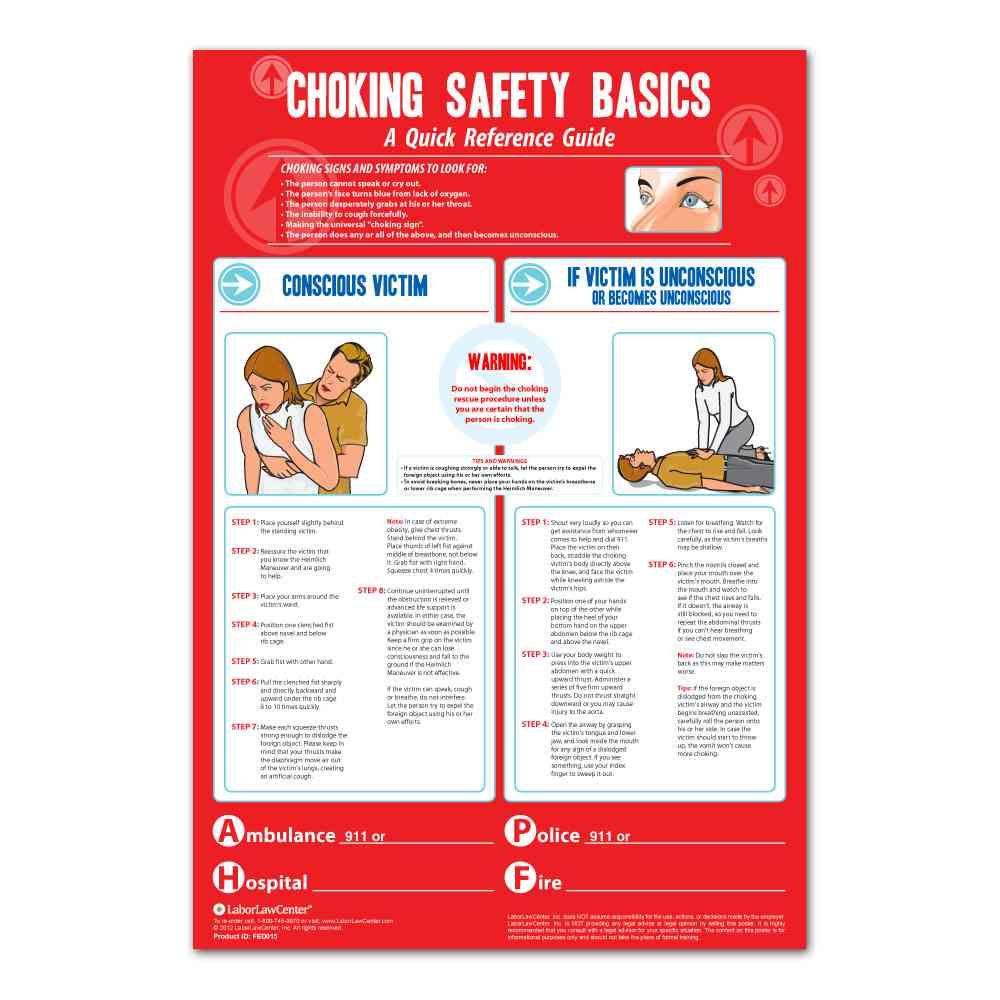
First Aid Anti Choking Poster at Cassandra Wild blog

Butler County Nurse's Notes Choking Prevention Butler County
What Is A Choking Hazard?
Repeat Back Blows And Abdominal Thrusts Until Help Arrives.
Understanding Choking Prevention Procedures Will Lessen The Chance Of Serious Injury.
Gasping, Blue Colour Around Lips Or Eyes,.
Related Post:
